
Selecting the best eCommerce platform is essential because it shapes the entire journey of your online business. From managing daily operations to supporting long-term success, the perfect platform sets the foundation for growth.
But with so many popular eCommerce platforms promising the "best" results, how do you know which one truly fits your needs? In this guide, we will help you choose the best platform for ecommerce website that not only supports your unique business requirements but also elevates your online store for long-term success.
What is an eCommerce platform?
An ecommerce platform helps businesses build and manage a digital store to sell their products. It gives you the tools needed to show products, take payments, manage orders, sell items online, and create a smooth digital shopping experience. In short, it is the system that lets you create your own eCommerce website, sell to customers anywhere in the world, and run your entire digital business from one place.
Understanding Your Business Needs Before Choosing an eCommerce Platform
The first thing in selecting an eCommerce platform is to clearly understand your business needs. Consider these key points before deciding the platform:
- Product Types: Determine whether you sell physical products, digital products, or both, as this affects platform choice.
- Stock Management Needs: Assess if you require advanced inventory tracking, multi-warehouse support, or simple stock management.
- Sales Channels: Decide if you want to sell only through your eCommerce store or also on marketplaces, social media, and in-person.
- Marketing & SEO Features: Consider platforms with built-in marketing tools, email marketing, and SEO capabilities to grow your online presence.
- Integration Requirements: Check if the platform can connect with your current website, POS system, or other business tools.
- Scalability & Growth: Ensure the platform can handle increasing traffic, more products, and new features as your business grows.
- Budget & Transaction Fees: Set your budget, including monthly fees, transaction charges, and any paid plans for additional features.
- Technical Expertise: Check your team's technical skills, as some platforms are beginner-friendly, while others require coding knowledge.
Key Features Needed in an Ecommerce Platform
Ecommerce platforms put all the tools you need for online selling into one simple system.
- Storefront Design: Provides customizable templates and website builder tools to create a visually appealing eCommerce website or online store that reflects the brand identity.
- Product & Catalog Management: Allows businesses to add, edit, organize, and display product listings with descriptions, images, and pricing information.
- Payment Processing: Payment gateway options are crucial for letting customers pay the way they prefer, such as with credit cards, Apple Pay, or PayPal. Integrates secure payment gateways to securely process online sales and transactions.
- Order & Inventory Management: Helps businesses track stock levels in real-time, manage orders from placement to fulfillment, and handle returns.
- Marketing & Analytics: Includes inbuilt tools for search engine optimization (SEO), email marketing, and analytics to track sales and customer behavior.
- Security: Includes security features like SSL encryption and fraud detection to keep sensitive customer data safe and build trust.
Types of E-commerce Platforms
Ecommerce platforms can be organized on their hosting and infrastructure models:
- SaaS (Software as a Service) / Hosted: Cloud-based, subscription-model platforms where the provider handles hosting, security, and updates. This is ideal for businesses that want an easy, quick setup without managing technical infrastructure (e.g. Shopify, Wix, Squarespace).
- Open-Source / Self-Hosted: The software is often free, but the business is responsible for its own hosting, maintenance, and development. This offers extensive customization and control and is suitable for tech-heavy companies (e.g., WooCommerce, Adobe Commerce/Magento).
- Headless Ecommerce Platforms: A modern setup that separates the website’s front-end (what customers see) from the back-end (how the store runs). This provides maximum flexibility for creating unique customer experiences across multiple channels (e.g., websites, mobile apps, IoT devices).
- License-Fee / Enterprise Ecommerce Platforms: They are advanced solutions designed for large-scale businesses. They need a paid license, either annually or as a one-time fee, and provide extensive features, customization options, and support for complex operations. Platforms like Salesforce Commerce Cloud or headless solutions are ideal for enterprises that need robust functionality, multiple sales channels, and high scalability.
Top 15 Ecommerce Platforms 2025
The best eCommerce platform depends on the online retailer's requirements. The most popular platforms which are so far used on an extensive scale are given below for your easy reference.
| Platform | Starting Price | Transaction Fees | Best For | Key Strength |
|---|---|---|---|---|
| Shopify | $29/month | 2.9% + 30¢ | Small to enterprise businesses | Ease of use and app ecosystem |
| BigCommerce | $39/month | 0% (on Standard+) | Growing businesses | Built-in features and scalability |
| WooCommerce | Free + hosting | 0% platform fees | WordPress users | Customization flexibility |
| Magento | Free + hosting | 0% platform fees | Developers & scalable businesses | Full control and deep customization |
| Wix | $29/month | 2.9% + 30¢ | Design-focused businesses | Visual design tools |
| Squarespace | $25/month | 3% (on lowest plan) | Creative professionals | Beautiful templates |
| Square Online | Free | 2.9% + 30¢ | Local businesses looking for ecommerce catalog management experts | POS integration |
| PrestaShop | Free + hosting | 0% platform fees | European businesses | Multilingual support |
| OpenCart | Free + hosting | 0% platform fees | Small to medium businesses | Easy customization |
| X-Cart | $199 (one-time) | 0% platform fees | Growing and mid-sized businesses | High performance, deep customization |
| Ecwid | $15/month | 0% platform fees | Multi-platform selling | Embeddable stores can benefit significantly from using attractive website templates, which enhance user experience and improve online presence. |
| Big Cartel | Free | 0% on free plan | Creative sellers | Artist-focused features |
| Pinnacle Cart | $79.95/month | 0% platform fees | Marketing-focused businesses | Strong built-in marketing & SEO tools |
| Shift4Shop | Free (with Shift4 payment processing) or $29/month | 2.9% + 30¢ | US businesses wanting a free plan | Feature-rich platform & free plan option |
| Volusion | $35/month | 0% platform fees | Small businesses | Easy-to-use interface & built-in analytics |

Shopify

Shopify dominates the most popular ecommerce platform market with over 1.7 million active shopify stores and a 10% share of all ecommerce sites. It serves small businesses to enterprise-level ecommerce businesses, offering a complete online store solution with built-in tools. Shopify combines ease of use with advanced ecommerce functionality, allowing companies to manage sales, inventory management, and marketing in one platform. Shopify makes dropshipping easy with supplier integration and automated shipping. Its huge app collection, flexible ecommerce plans, and multiple payment gateways make it one of the leading ecommerce solutions today.
⭐ Pricing Structure
- Basic Shopify: $29/month with 2.9% + 30¢ transaction fees.
- Shopify: $79/month with 2.6% + 30¢ per transaction.
- Advanced Shopify: $299/month with 2.4% + 30¢ per transaction.
- Shopify Plus: Starting at $2,300/month built as an enhanced platform for enterprises.
✅ Advantages
- Intuitive interface requiring minimal technical knowledge.
- Large app marketplace to extend ecommerce functionality.
- Excellent customer support with 24/7 availability.
- Built-in marketing tools and SEO to drive sales.
- Robust mobile optimization and Progressive Web App support
❌ Disadvantages
- Your total expenditure adds up due to monthly fees and transaction fees.
- Limited customization without apps or coding knowledge.
- Relying on multiple apps may cause some tools to not work smoothly together.
- Additional fees for advanced reporting and features.

BigCommerce
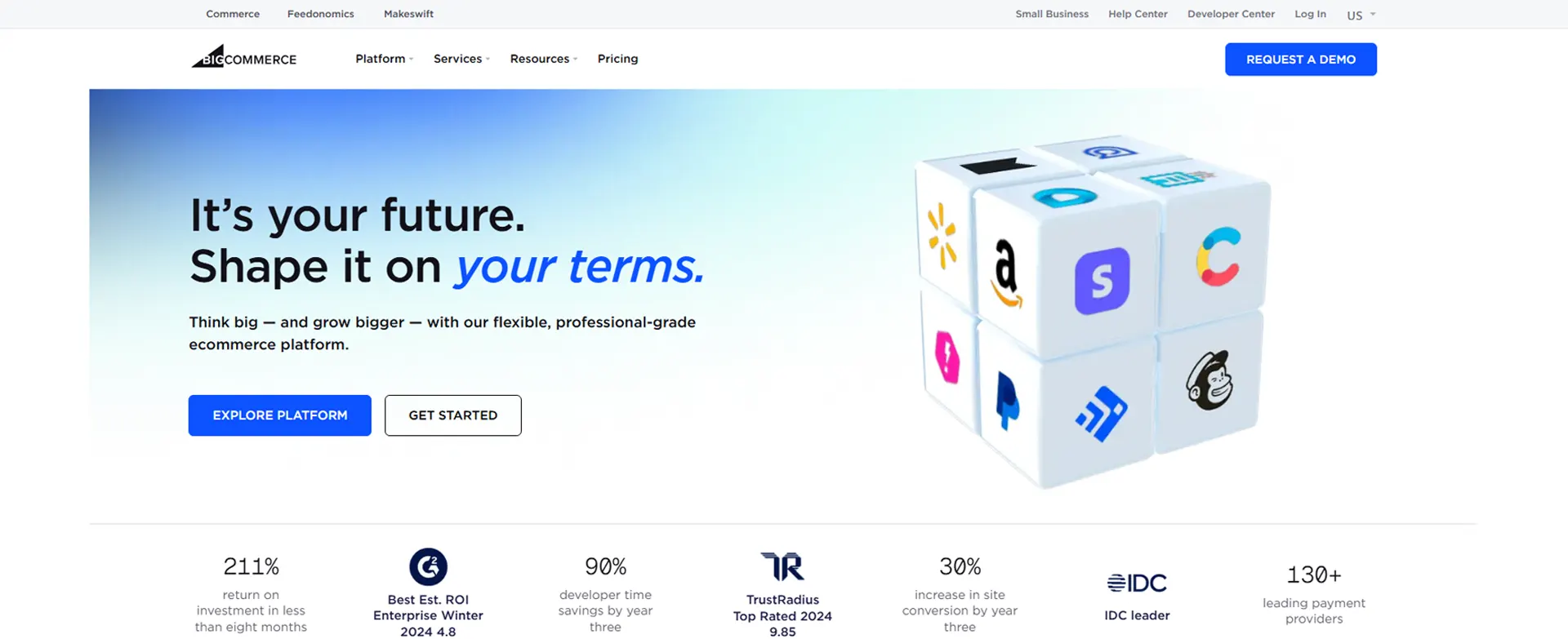
BigCommerce positions itself as one of the most popular ecommerce platform, with sales above $25 billion across various countries, offering more built-in features and no transaction fees. It platform is the ideal choice for scaling businesses without relying heavily on third-party apps.
⭐ Pricing Structure
- Standard: $39/month (up to $50k annual sales)
- Plus: $105/month (up to $180k annual sales)
- Pro: $399/month (up to $400k yearly sales)
- Enterprise: Price designed for your business with no sales limit.
✅ Advantages
- No transaction fees on any plan level.
- Extensive built-in features reduce app costs.
- Superior B2B capabilities with customer groups and tailored pricing.
- Strong international support with multi-currency and multi-language features.
- Advanced API for custom integrations and headless commerce.
❌ Disadvantages
- Slightly higher learning curve than other ecommerce website builders.
- Annual sales limits require plan upgrades.
- Fewer third party apps compared to Shopify.
- More complex interface for beginners.

WooCommerce
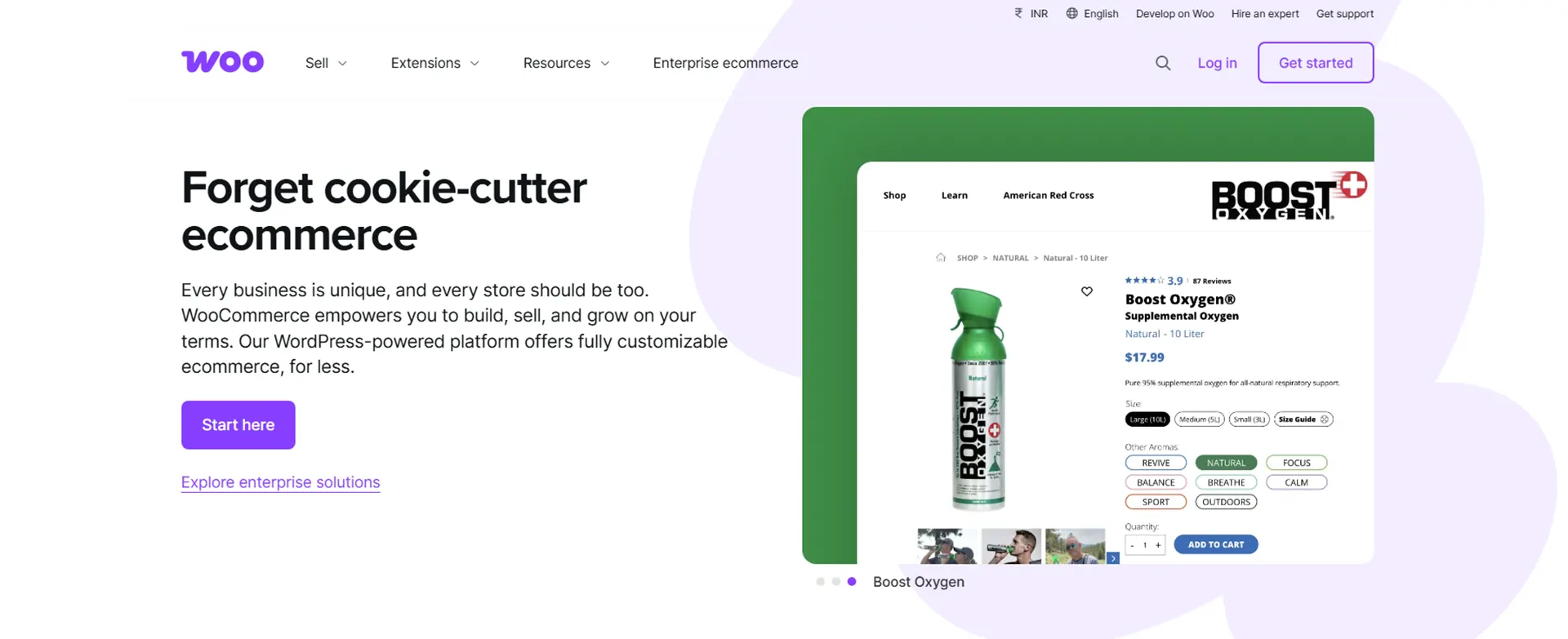
WooCommerce is a well-known ecommerce software plugin for an existing WordPress sites. It is better for businesses that are content oriented it turns your website into an digital store and lets you manage everything without ongoing fees.
⭐ Pricing Structure
- Core WooCommerce plugin is free.
- WordPress hosting: $10–$100+ per month depending on traffic.
- Premium extensions: $50 to 200+ per year for advanced features.
- Development costs: Depends on customization needs and complexity.
✅ Advantages
- Complete control over store functionality and design.
- No monthly platform fees or transaction charges.
- Wide variety of plugins to add nearly any feature you need.
- Excellent content marketing tools through WordPress integration.
- Unlimited customization with full access to source code.
❌ Disadvantages
- You need to have technical knowledge or developer assistance.
- You are responsible for hosting, security, and software updates yourself.
- Performance optimization requires ongoing attention.
- Limited built-in ecommerce features compared to web based platforms.

Magento: The Advanced Enterprise Platform
Magento is an best open source ecommerce platform that needs coding knowledge for customization, making it a good fit for large enterprises. It offers a highly customizable ecommerce solution with advanced functionality, supporting both physical and digital products. With its next-level platform tools, it’s one of the most popular ecommerce platforms for developers and large-scale operations.
⭐ Pricing Structure
- Magento Open Source: Free
- Hosting: $20 to $200/month+
- Adobe Commerce (Enterprise): Individualized pricing
✅ Advantages
- Complete customizable online store.
- Sell as many products as you want and manage multiple stores from one platform.
- Provides clear reports on sales, stock, and customer behavior to help you make better decisions.
- Includes strong SEO and marketing features.
❌ Disadvantages
- Requires technical understanding and developers.
- Higher setup and maintenance costs.
- Longer development time compared to SaaS platforms.

Wix eCommerce: Design-Focused Online Store Builder
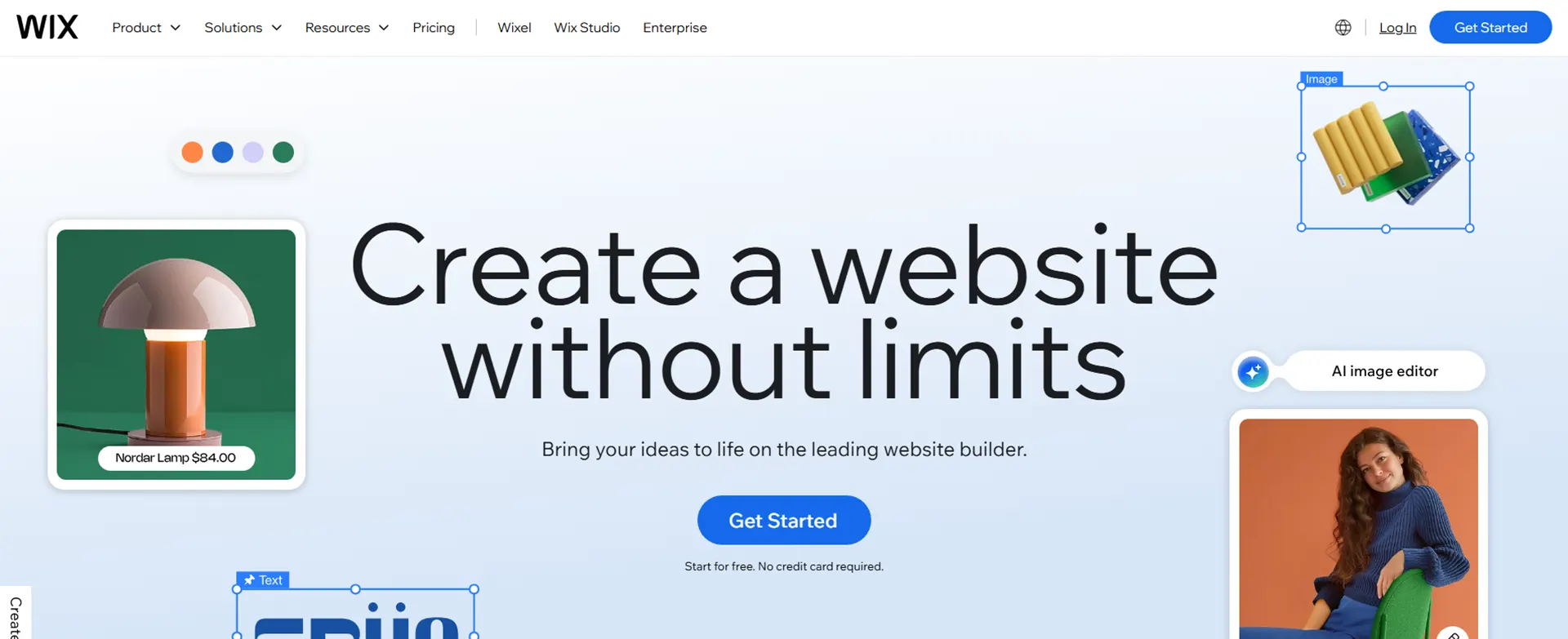
Wix is great for beginners and small businesses that prioritize simplicity and user friendly interface. It lets you quickly set up an online store with a custom domain, beautiful templates, and built-in marketing tools. It is one of the best ecommerce website builders for small businesses or online stores with limited product catalogs due to its affordability and ease of use.
⭐ Pricing Structure
- Business Basic: $29/month
- Business Unlimited: $32/month
- Business VIP: $159/month
✅ Advantages
- Easy drag-and-drop website builder.
- Select from professional templates to give a visually appealing site.
- All in one solution to manage products, stock, and promotions all from one platform.
- Affordable ecommerce plans make it easy for small businesses to start selling online.
❌ Disadvantages
- Limited scalability for larger stores.
- Fewer premium features.
- Smaller app ecosystem compared to Shopify.

Squarespace Commerce: Elegant Online Store Builder

Squarespace is a website builder known for stunning designs and ecommerce features. If design matters and your product range is smaller, Squarespace is an excellent option for professional templates and an easy to use editor to get started quickly. It provides an end to end solution for small businesses and creative professionals. Squarespace includes built-in payment processing, email tools, and simple order and stock synchronization. It is one of the best ecommerce website builders for visually-driven brands wanting a polished online store experience.
⭐ Pricing Structure
- Business: $25/month + 3% transaction fees
- Commerce Basic: $36/month
- Commerce Advanced: $40/month
✅ Advantages
- Beautiful, responsive templates.
- Simple platform that does not need any technical skills.
- Built-in SEO tools and marketing tools.
- Works well for selling digital goods as well as physical products.
❌ Disadvantages
- Limited integrations with third-party apps.
- Small businesses may outgrow it.
- Transaction fees on lower-tier plans.

Square Online: Ideal for Local Businesses and POS Integration

Square Online is a platform ideal for local retailers and small businesses. It integrates seamlessly with Square POS to manage in-person sales and online transactions. The platform offers ecommerce features such as payment gateways, stock management, and retail channels integration.
It is one of the best ecommerce platforms for shops that want to combine physical store and online sales operations.
⭐ Pricing Structure
- Free Plan: $0/month, with 2.9% + $0.30 transaction fees per sale.
- Plus Plan: $29/month
- Premium: $79/month
✅ Advantages
- The free plan lets small businesses begin immediately without any upfront cost.
- POS works smoothly with your in-store and online sales.
- Get your store ready fast without complex steps.
- Accept payments through various secure and convenient options.
❌ Disadvantages
- Limited customization
- Best suited for small to medium stores, may not meet the needs of large or fast-growing businesses.
- Lacks some high-level tools offered by bigger platforms.

PrestaShop: Open-Source Ecommerce Platform for Flexibility
PrestaShop is a free, open-source eCommerce platform popular in Europe that supports multiple languages and flexibility to design and customize their stores.
⭐ Pricing Structure
- Software: Free
- Hosting: $5 to $100/month
- Modules/Extensions: Paid add-ons
✅ Advantages
- Free core software, and fully customizable, ideal for international sales.
- Businesses can modify design, features, and functionality to suit their needs.
- Access support, plugins, and add-ons to expand your store.
- No monthly fees or transaction fees for the software itself.
❌ Disadvantages
- You need some coding or technical skills to install, configure, and customize the store.
- The core platform is free, additional features, themes, or modules may cost extra.
- No official customer support.

OpenCart: Lightweight Ecommerce Builder
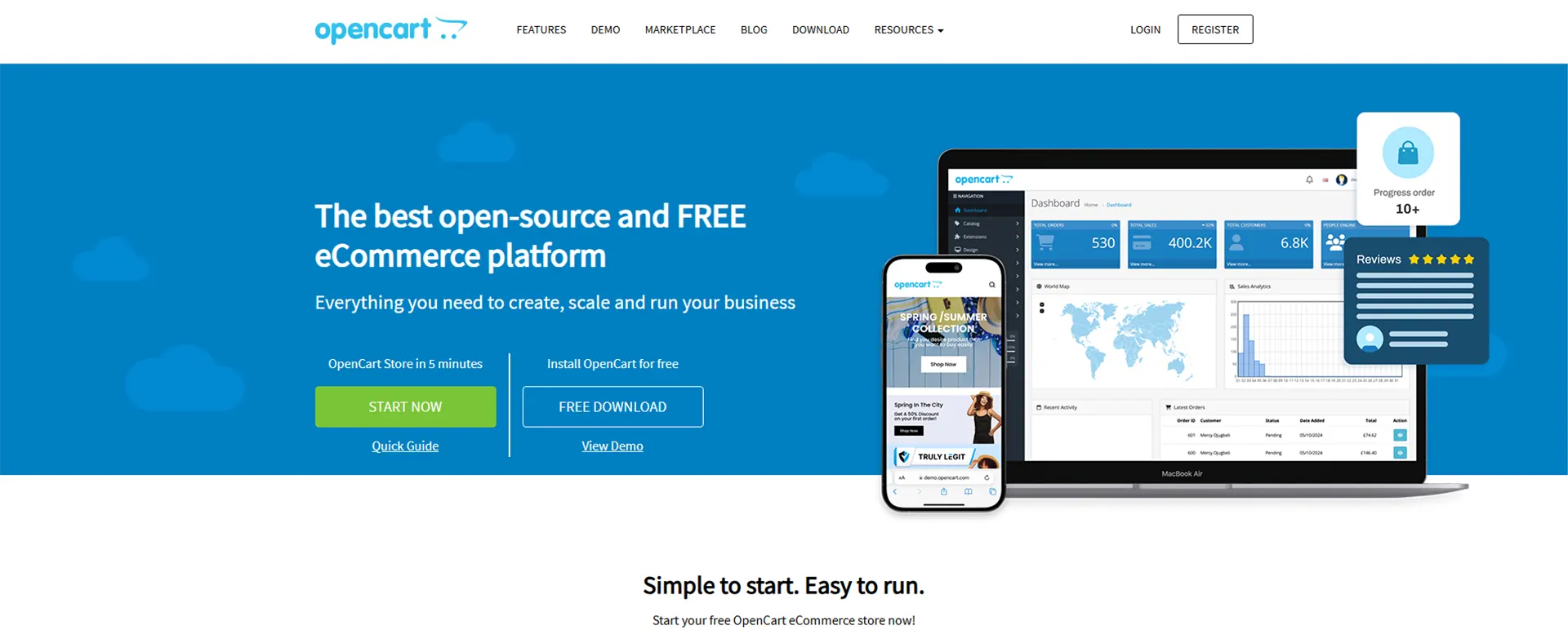
OpenCart is a free, open-source eCommerce platform designed for small and medium-sized businesses. Simple to navigate, works with multiple stores and multiple currencies, and lets you add features with extensions. OpenCart is ideal for businesses that want to manage their store independently. Its wide community and extensions make it perfect for a low-cost, customizable eCommerce solution.
⭐ Pricing Structure
- Software: Free
- Hosting: $5 to $30/month
- Extensions: Paid modules available
✅ Advantages
- Free and open-source.
- Quick loading and easy to manage.
- Handle several stores and track inventory in one place.
- Sell to customers worldwide.
❌ Disadvantages
- Limited built-in advanced features.
- Requires technical proficiency.
- Smaller theme marketplace.

X-Cart: High-Performance Ecommerce Platform
X-Cart is a powerful ecommerce software designed for growing online ventures. It offers both cloud-hosted and self-hosted options with flexible ecommerce plans. X-Cart supports all type of products, multiple payment gateways, and reliable inventory tracking system. It is one of the best ecommerce platforms for merchants requiring advanced features and scalability.
⭐ Pricing Structure
- Lifetime License: $199 one-time
- Hosting: Varies
- Enterprise: Custom pricing
✅ Advantages
- Gives fast loading times and reliable performance even with many visitors.
- Offers advanced customization for technical users.
- Perfect for growing stores with many products and heavy traffic.
- Keep more of your profits without extra platform charges.
❌ Disadvantages
- Steep learning curve for beginners.
- Paid add-ons may increase costs.
- Smaller community compared to Shopify.

Ecwid: Add Ecommerce to Any Existing Website
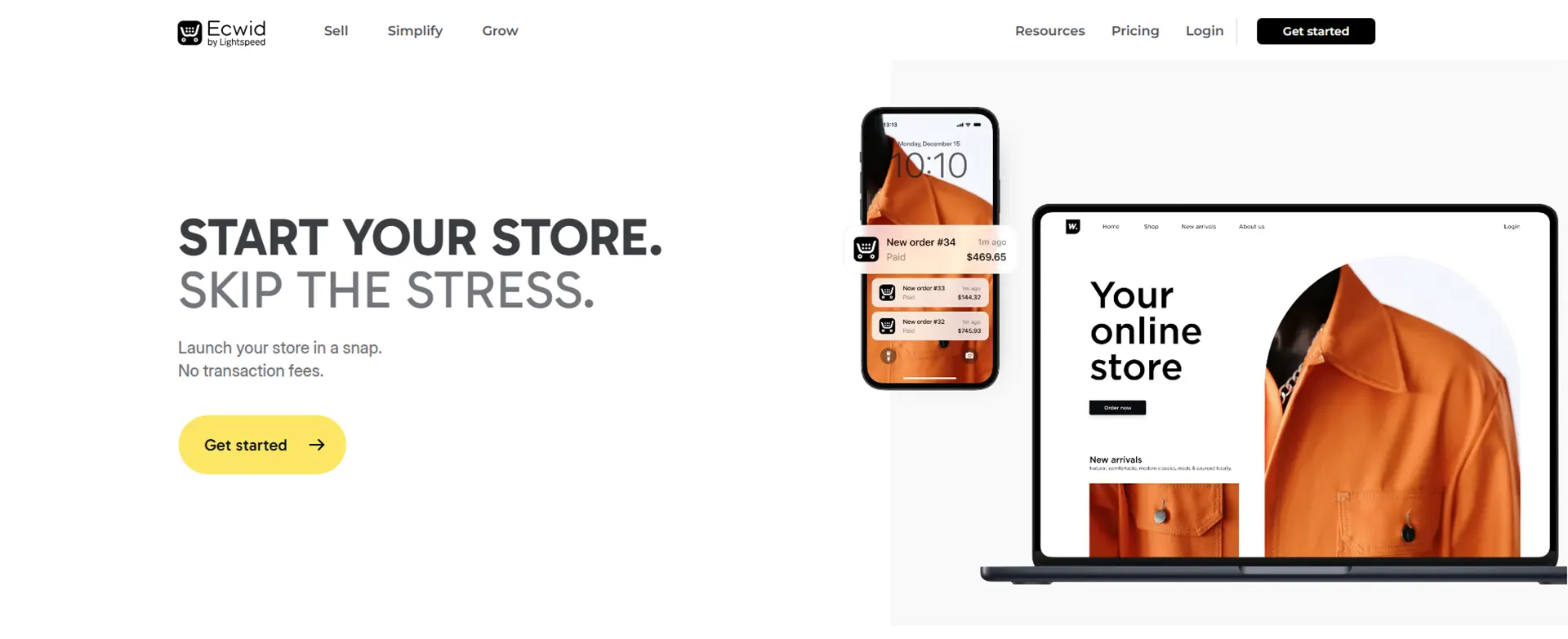
Ecwid lets you sell products from your website, WordPress site, or social media page. It provides easy-to-use ecommerce solution with stock and online sales tracking. Ecwid supports multiple online channels and payment gateways, making it a versatile ecommerce platform for small sellers. It is one of the best ecommerce platforms for merchants wanting just a few clicks to start selling online.
⭐ Pricing Structure
- Free Plan: $0
- Venture: $15/month
- Business: $35/month
- Unlimited: $99/month
✅ Advantages
- Can be added to websites, WordPress, or other platforms without needing a full redesign.
- Lets startups and small shops start selling online without upfront costs.
- Easy setup with built-in features.
- Multi-channel selling across social media and marketplaces.
❌ Disadvantages
- Limited options for customizing design and branding.
- Not a full standalone ecommerce store.
- Fewer advanced marketing features.

Big Cartel: Artist-Focused Online Store

Big Cartel works well for artists and creators that have small product listing, offering a simple and affordable platform. It offers a simple, ecommerce platform with basic inventory automation. Big Cartel is ideal for small businesses with limited product catalog and hobbyist sellers wanting a simple interface and quick setup.
⭐ Pricing Structure
- Free Plan: Up to 5 products
- Platinum: $9.99/month
- Diamond: $19.99/month
✅ Advantages
- Affordable ecommerce plans.
- Simple interface.
- Supports small online stores.
- Perfect for artists and small creators.
❌ Disadvantages
- Very limited premium features.
- Not suitable for scaling.
- Few integrations or extensions.

Pinnacle Cart: Marketing-Oriented Ecommerce Platform
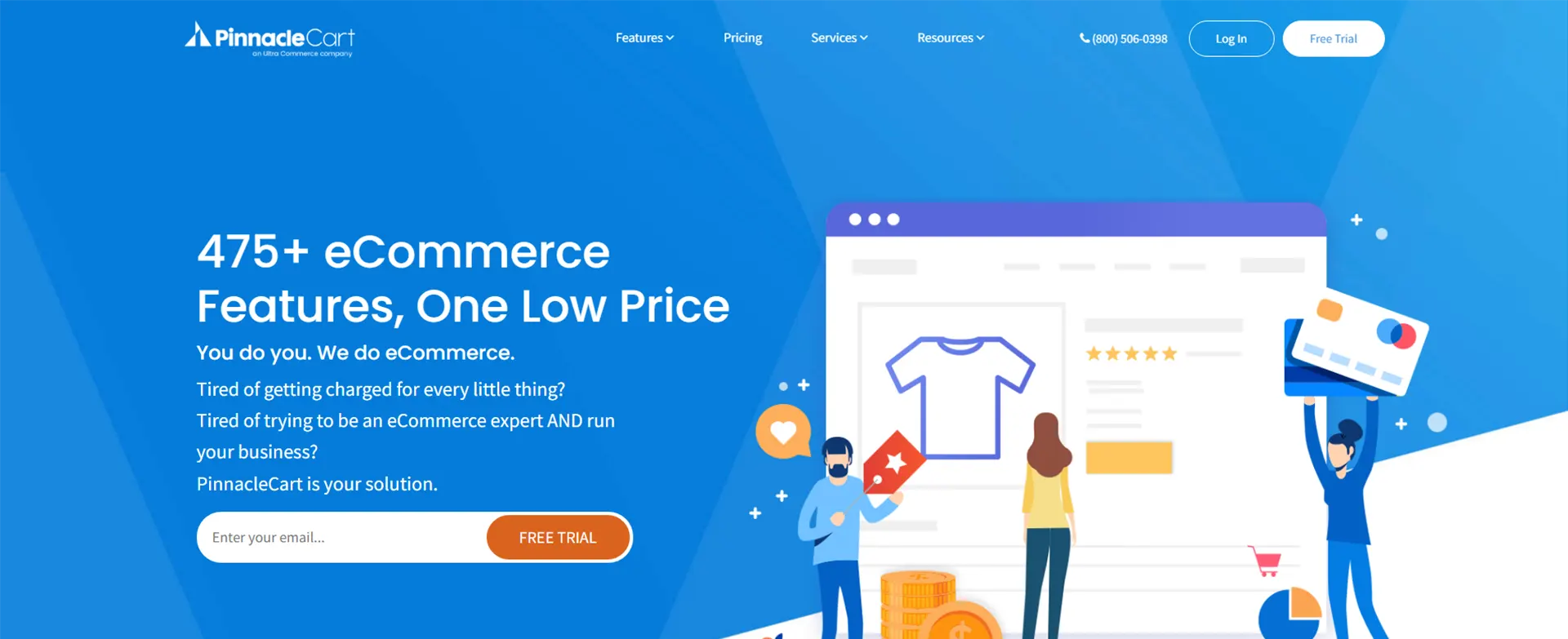
Pinnacle Cart is designed for businesses looking for marketing tools, flexibility and increase sales. It includes built-in SEO tools, advanced inventory management, and a complete online store platform. Pinnacle Cart provides flexibility with custom pricing and paid plans.
⭐ Pricing Structure
- Standard: $79.95/month
- Advanced: $199.95/month
- Enterprise: Custom
✅ Advantages
- Strong tools for SEO and email marketing.
- Flexible and easy to use online store features.
- Can grow as your business grows.
- Easy to connect with multiple payment gateways.
❌ Disadvantages
- Higher monthly cost
- Limited selection of apps and integrations.
- Requires technical competence to manage the platform.

Shift4Shop: Feature-Packed Ecommerce Platform
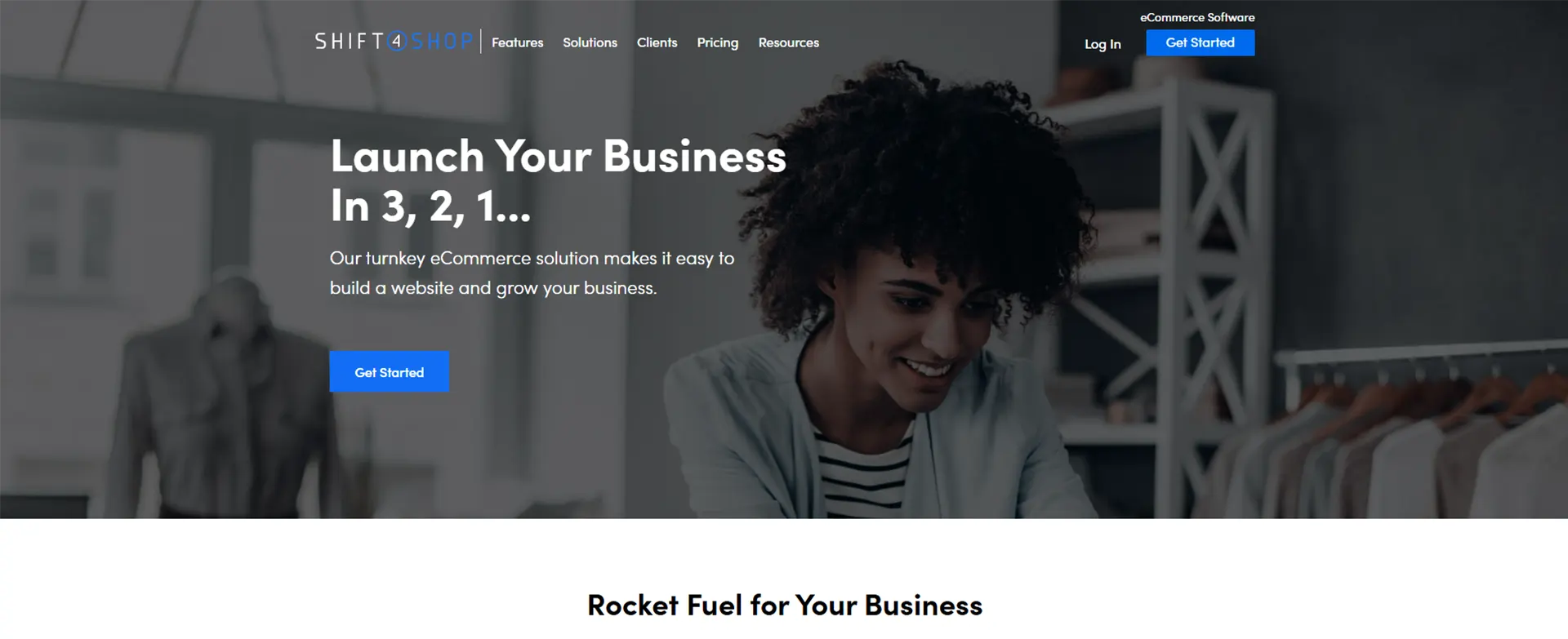
Designed for experienced marketers, Shift4Shop provides robust SEO features and customizable settings. It supports digital and physical products, and multiple payment gateways. U.S. merchants can start for free, making it one of the best ecommerce platforms for budget-conscious businesses. It is a great ecommerce website builder for merchants wanting a feature-rich online store without extra apps.
⭐ Pricing Structure
- Free: U.S. merchants with Shift4 Payments
- Basic store: $29/month
- Plus store: $79/month
- Pro store: $229/month
✅ Advantages
- Offers a free plan for small businesses to start selling online without upfront costs.
- Includes inbuilt tools for email marketing, promotions, and analytics.
- No transaction fees, so you gain 100% of your sales.
- Allows selling across multiple channels, including marketplaces and social media, from a single platform.
❌ Disadvantages
- The interface has an outdated look.
- Fewer modern theme options.
- Customer Support can be inconsistent.

Volusion: Analytics-Focused Ecommerce Platform
Volusion provides a user-friendly interface with reporting tools for growing online stores. It support stock control, multiple sales pathway, and payment gateways. Volusion is ideal for small businesses that want to increase sales and manage a full online store. It is one of the leading platforms for merchants who prioritize analytics and performance tracking.
⭐ Pricing Structure
- Personal: Entry level plan with $35/month.
- Professional: Mid level plan with $79/month.
- Business: Advanced level plan with $299/month.
- Prime: Enterprise level plan with customized pricing.
✅ Advantages
- Strong advanced reporting tools
- No transaction fees
- Easy-to-use interface
- Good for both physical and digital products
❌ Disadvantages
- Smaller selection of design templates.
- Not suitable for digital-only stores.
- Platform updates and growth is slower than competitors.
How to Choose the Right Ecommerce Platform for Your Business
Selecting the best ecommerce platform requires evaluating your business needs, technical capabilities, and growth goals. Use this framework to find a platform that fits your requirements.
Assess Your Business Size and Growth Projections
Your business size and growth goals play a big role in picking a platform. Small business owners just starting to sell online have different needs than established enterprises managing thousands of products across multiple selling channels.
Startups and small businesses usually do well with easy-to-use platforms like Shopify or Square Online, which offer all the essential ecommerce features without requiring technical skills. These platforms provide fast setup, and full customer support, allowing you to focus on growing your business instead of handling technical details.
Growing businesses with higher sales should choose platforms that can scale with them. BigCommerce is great for avoiding transaction fees as sales increase, while WooCommerce offers unlimited flexibility for those with technical skills.
Enterprise businesses require platforms supporting complex product catalogs, multiple sales channels, and advanced integrations. Solutions like Magento or headless platforms provide the flexibility and power needed for large-scale operations.
Determine Your Budget Including Hidden Costs
The expenditure incurred of an eCommerce platform is more than just the monthly subscription. To avoid surprises as your business grows, create a full budget that accounts for all potential expenses.
Monthly platform fees: Monthly platform costs differ widely. Some platforms, like WooCommerce and Big Cartel, are free, while enterprise solutions can cost thousands per month. Keep in mind that “free” platforms often still require spending on hosting and development.
Transaction fees: Platforms that charge 2–3% per sale can become costly for high-volume businesses. BigCommerce ecommerce platform and WooCommerce have no transaction fees, helping you save over time.
Third party integrations: Adding third-party apps and integrations can improve your store’s functionality but raise monthly costs. Shopify apps often cost $5–$50 or more per month each, which increase your overall expenses. Make sure to calculate the total cost of all necessary apps when comparing platforms.
Development/customization: Development and customization costs depend on your technical skills and resources. SaaS platforms are easy to set up but offer limited customization, while open-source platforms allow full flexibility but usually require more time and higher development costs.
Evaluate Your Product Types and Sales Model
Different product types require certain platform capabilities that significantly impact your selection decision.
Physical products: Choose a platform with strong inventory and shipping tools, fulfillment integration, support for product variations, bulk uploads, and real-time stock tracking across warehouses and sales channels.
Digital products: Look for secure download delivery, license key management, subscription billing, automated delivery, download limits, and content protection.
Service-based businesses: Platforms should offer appointment booking, scheduling, staff management, time-slot selection, and deposit handling.
Subscription businesses: Need automatic payments, customer account management, multiple billing cycles, trial periods, and payment failure reminders.
Conclusion on Choosing Right Ecommerce Platform
The best eCommerce platform depends on your business size, goals, and technical skills. Small businesses and startups do well with simple, ready-to-use platforms, while growing or large businesses may need scalable, customizable solutions.
To make the most of any ecommerce platform and focus on growing your business, whether you run an online or retail store, you can rely on professional support for tasks like product uploads, inventory updates, and data management. Intellect Outsource, a trusted ecommerce data entry service provider, works across all major platforms helping businesses efficiently manage their online stores with accurate product listings, timely updates, and smooth operations.
FAQ on Best Ecommerce Website Builder
Which platforms are beginner-friendly?
Both Wix and Shopify offer user-friendly interfaces designed for beginners. These platforms make online shopping setup easy, allowing users to manage orders, inventory, and payments without technical knowledge.
Does Shopify allow selling unlimited products?
Yes. Shopify allows selling unlimited products, which is especially useful for businesses aiming to scale their online store.
What makes Shift4Shop different from other platforms?
Shift4Shop is an advanced ecommerce platform with powerful features, but it requires some development skills to get the most out of it. It’s ideal for businesses that want more control over customization and operations.
How much do Wix ecommerce plans cost?
Wix ecommerce plans range from $29 to $159 per month, depending on the features and level of support required. Wix is best for small businesses or beginners prioritizing simplicity and design.
Is PrestaShop free to use?
PrestaShop is a free and open-source platform, but you may need to pay for hosting, support, and extra features. It is best for users with technical skills who want a flexible and customizable online store.
Which features should most ecommerce platforms have?
Most ecommerce platforms should allow users to:
- Manage orders and inventory
- Ship goods efficiently
- Integrate major payment gateways (like PayPal and credit cards)
- Handle back-end operations without relying on other services
For businesses looking to implement these features, it's important to choose the right eCommerce website development company to ensure your online store meets your specific needs.
Having these features ensures a smooth online selling experience and helps your business grow in the ecommerce space.
Can I use an ecommerce platform with my existing site?
Yes. Platforms like Ecwid allow you to add online selling to an existing site, making it easy to start selling without rebuilding your website from scratch.
Why is multi-channel selling important in ecommerce?
Selling across multiple channels, your own online store, marketplaces, and social media, helps reach more customers and increase sales. Most ecommerce platforms support multi-channel online selling to maximize visibility in the ecommerce space.
Should small businesses invest in advanced platforms?
Small businesses can start with platforms offering basic features, but an advanced platform offers room to grow with scalability, customization, multi-channel selling, app integrations, marketing tools, and advanced inventory management system.
- Good eCommerce Business
- Build your own eCommerce Website
- How to Start an Ecommerce Business
- Magento 2 Store Important Features
- Difference Between Mgaento 1 And Magento 2
- Detailed X-Cart Import Export Features
- Zenkart is an Open Source
- How to Sell Better on PrestaShop
- Why Choose Shopify for your Oonline Store? Key Benefits Explained